Recycling and Sustainability — Business Waste Removal Uxbridge
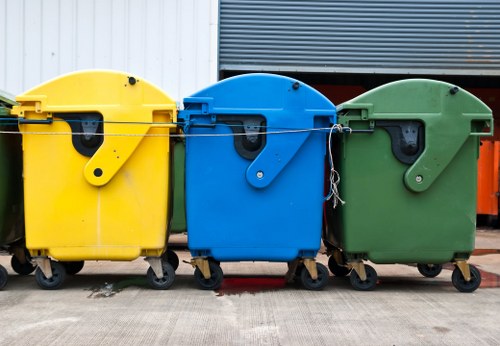
Our approach to eco-friendly waste disposal area and a sustainable rubbish area focuses on practical, measurable steps for businesses across the town centre and surrounding trade parks. As a dedicated provider of business waste removal in Uxbridge, we combine continual diversion from landfill with community reuse pathways and modern low-emission logistics. This page explains our targets, local partnerships and the on-the-ground recycling activities aligned with the borough’s waste separation strategy.Uxbridge businesses receive tailored services for commercial waste removal Uxbridge needs: from mixed recycling collections to segregated dry recycling, food waste and safe disposal of regulated materials. We emphasise transparent reporting and a clear hierarchy — reduce, reuse, recycle — applied across offices, retail units and light industrial sites. Working within the London Borough of Hillingdon framework, our routes support kerbside-style separation where possible and extend that separation to commercial premises with extra streams for textiles, electronics and construction waste.
Practical measures for a greener local economy
Our teams implement site audits and bespoke separation plans that map directly to local transfer station acceptance criteria. By aligning business collections with transfer station sorting capabilities we reduce double-handling and increase the capture rate of recyclables. Business Waste Removal Uxbridge ensures materials destined for recovery hit the right facilities first time: dry mixed recycling to material recovery facilities, food waste to anaerobic digestion where available, and electronics to dedicated WEEE processors.Quantified recycling target and monitoring
We have set an ambitious recycling percentage target of 70% diversion from landfill for commercial contracts by 2030, with interim annual milestones. Monthly reporting and monthly KPI dashboards let clients see progress on diversion, contamination rates and carbon-savings. These figures feed into service reviews so that contamination hot-spots are addressed quickly and education or additional containers are deployed where they will make the most impact.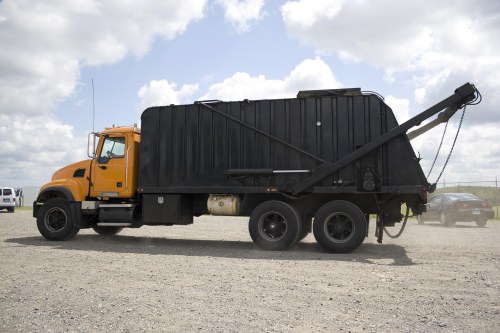
Local transfer stations and borough alignment
Our operations are integrated with nearby transfer stations and processing hubs, including the borough’s nominated transfer facilities and West London transfer stations that serve the wider area. Working with these nodes reduces journey lengths and aggregate emissions by consolidating waste into appropriate streams at the earliest point. The London Borough of Hillingdon’s approach to waste separation — emphasising paper and card, glass, metal, plastics, food and garden waste separation — informs our collection schedules and container types for businesses.We prioritise routing collection loads directly to the correct processing facility to maximise recovery. Where a transfer station operates on-site sorting, we apply strict load segregation so recyclable streams are not contaminated. This approach benefits the whole local supply chain: processors receive cleaner material, charities get higher quality donations, and the borough meets its statutory recycling ambitions.
Partnerships with charities and reuse organisations
We maintain active partnerships with local charities and reuse organisations to keep good-quality items in circulation. Items commonly diverted through these partnerships include furniture, working electronics, branded office supplies and surplus textiles. Partnering charities receive items that are in reusable condition or can be repaired — avoiding unnecessary recycling energy costs and delivering social value across the borough.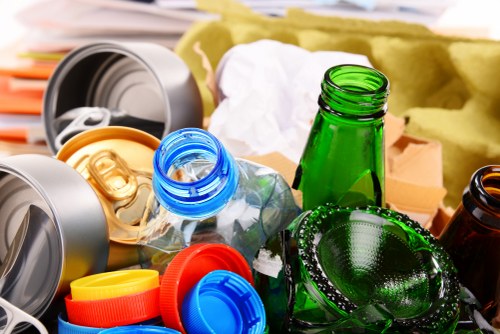 Our reuse pathway is supported by a clear decision matrix: if an item is reusable we channel it to charity partners; if repairable it goes to social enterprises that run refurbishment programmes; if beyond repair it is recycled through certified recyclers. Examples of coordinated activity include scheduled collection days for bulk donations and direct handovers at transfer stations to charity collection partners.
Low-carbon vans, fleet strategy and final commitments
Our fleet includes a growing number of electric and low-emission vehicles alongside route optimisation software that reduces mileage and idling time. By deploying low-carbon vans and planning multi-stop rounds in the most efficient order, we cut CO2 emissions and pollutants from business waste collection. Vehicle choices are guided by payload needs and emissions targets: where electric vehicles are not yet operationally viable, we use Euro 6 standards and telematics to ensure minimal environmental impact.In summary, our Uxbridge commercial waste solutions combine measurable sustainability goals, alignment with local transfer stations and borough separation rules, practical reuse partnerships with charities, and a low-emission fleet. We commit to continuous improvement through data-driven operations and active collaboration with clients and local organisations to build a resilient, circular approach to commercial waste in Uxbridge.
