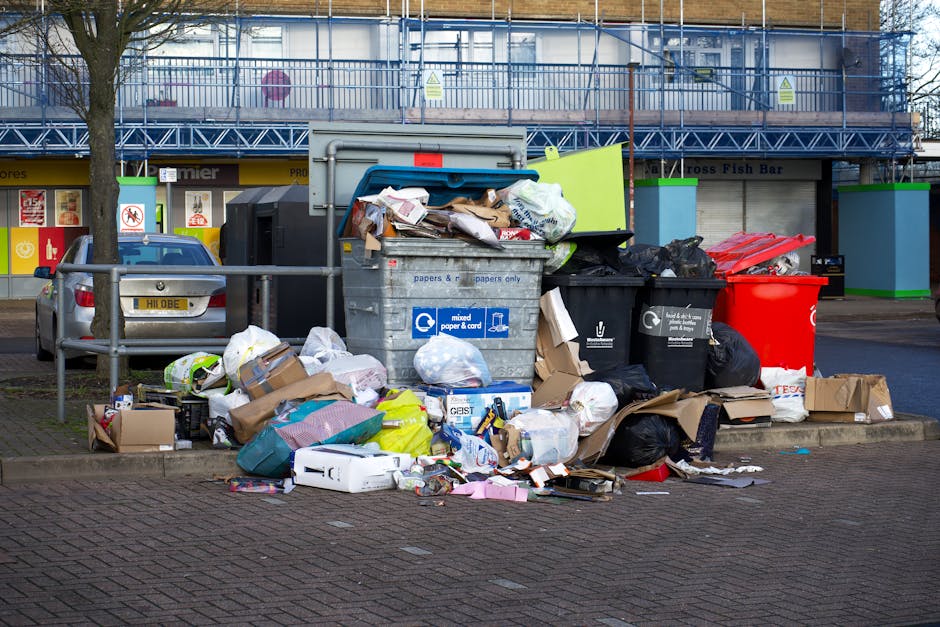
Business Waste Removal in Uxbridge
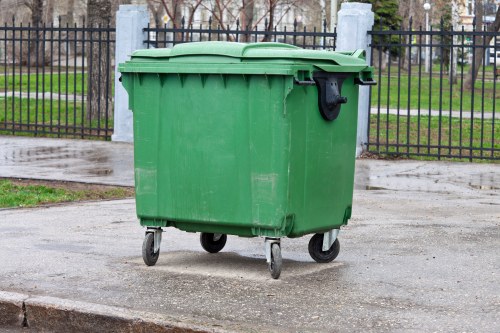
Business waste removal in Uxbridge should be organised around the way your premises actually operate: offices need clear, predictable collections; shops and hospitality sites often need frequent handling of mixed packaging and consumables; and trade locations may produce bulkier waste that needs sorting before it leaves site. We provide a practical service focused on removing commercial waste streams responsibly, with options that suit routine collections and one-off clearances. The aim is straightforward: keep your workspace moving, keep waste under control, and make the disposal process easier to plan.
Commercial waste is rarely just one material. Cardboard, plastics, unwanted stock, paper, shelving, fixtures, packaging, and general rubbish can all build up in different parts of the same business. Our service is designed to handle that variety without turning collection into a disruption. Where items need separating, we can help with sensible sorting so that recyclable material is kept apart from residual waste. Clear collection planning also helps avoid overfilled stores, blocked access routes and unnecessary handling by staff.
If you are comparing disposal options, take a moment to think about the kind of waste you produce most often and whether it arrives steadily or in bursts. A simple, regular arrangement suits many office and retail settings, while occasional clearances can be better for refits, relocations or seasonal tidy-ups. If you need a clearer picture of the work involved, you can ask for a quotation once you know what needs removing. Pricing and quotes can help you see how the service is organised.
Commercial waste streams handled for workplaces
Different businesses generate different forms of waste, so the service needs to stay flexible. Office environments usually require removal of paper, packaging, deskside waste, old stationery, and obsolete equipment. Retail premises may need support with cartons, display materials, damaged stock, and general waste from stockroom areas. Hospitality spaces often create a mix of food-related packaging, broken fixtures, and disposable service items. By recognising the type of material first, the collection can be planned more cleanly and the disposal route can be chosen more sensibly.
Some loads are best prepared by separating reusable or recyclable material from non-recyclable items before collection. That does not have to become a complicated process, but a little organisation helps. Keep materials in defined areas, label anything that should not be mixed, and make sure access routes are clear enough for safe lifting and loading. If you need a more general view of the available services, business waste removal gives a useful starting point for commercial customers who want a focused collection service rather than a one-size-fits-all clearance.
Helpful preparation usually comes down to three simple points:
- group similar waste together where possible
- keep heavy or awkward items separate from lighter material
- leave enough access space for removal without disrupting staff movements
Office waste removal and workspace clearances

Office waste removal often involves more than bags and paper. Workstations may need old furniture taken away, filing materials removed, or unwanted equipment collected after a refurbishment or move. The practical challenge is usually keeping the office usable while waste is being moved out. A structured collection makes that easier, especially when the work is phased around meeting rooms, desks, storage areas and reception spaces. We can help with office waste in a way that keeps attention on the day-to-day running of the business.
When offices change layout or reduce surplus items, the waste can include damaged chairs, broken storage, archive materials, monitors, printers, and packed-up supplies. Some of these items may be recyclable, while others need a different disposal route. The useful part of a commercial collection is that the process can be matched to the contents rather than forcing the premises to adapt to a rigid approach. If you also need support with unwanted office items, our office clearance page covers that type of work in more detail.
For many customers, the decision is not whether to remove waste, but how to do it in a controlled way that does not create extra work for staff. That is why the collection plan matters: it should be clear where items are, what needs prioritising, and whether the job is a regular visit or a one-off clearance after a project. If you are ready to compare the work with your own premises, contact us to request a quotation.
Clearances for stock, fittings and surplus items
Commercial premises often hold more than everyday rubbish. There may be spare shelving, redundant display units, packaging from deliveries, surplus stock that can no longer be sold, or old fittings left behind after a change of layout. These items tend to take up useful floor space and can be awkward to shift without planning. A clearance service aimed at businesses gives you a way to remove those items efficiently, while keeping the process practical for managers, staff and contractors.
Where stock or fixtures need sorting before removal, the right approach is usually to decide what should be retained, what can be recycled, and what has to go through ordinary disposal. That judgement saves time later and keeps the job focused on the items that genuinely need to leave site. Our service can support that sort of clear-out across many commercial settings, including shops, small warehouses and mixed-use premises. For broader household-style contents, there are separate services such as furniture clearance and other item-specific pages, but business customers usually need a more commercially organised approach.
It can help to keep one person responsible for confirming what is included in the job, especially if several departments share the same storage or back-of-house area. That avoids confusion when there are items that look similar but have different disposal needs. If you are planning a tidy-up, a refurbishment, or simply want to clear excess stock, a quotation is the next sensible step. Make a note of the main items first, then ask us to price the work on that basis.
Waste removal for refurbishments and fit-outs

Refurbishment work in commercial premises often creates a concentrated build-up of waste. Old shelving, packaging from new installations, broken fixtures, protective materials, and dismantled fittings can all appear at once. A business waste removal service is useful here because it can deal with the aftermath of a project without leaving staff to cope with heavy or awkward items. The key is to remove the waste at the point it is ready, rather than allowing it to occupy working areas for longer than necessary.
This type of clearance is especially helpful when a project includes several stages. The waste may need collecting after strip-out, during installation, or at the end when the site has to be cleared for reopening. Planning matters because the waste stream often changes as the project moves on. We can help with collections that fit around the timing of the work and the nature of the materials. If your project also involves larger domestic-style contents, our home clearance page may be useful for understanding the scope of that different service.
For business customers, the important decision is usually whether the waste should be removed in one clean pass or in a sequence of smaller collections. Larger refurbishments may benefit from staged removals, while a lighter fit-out may only need one visit. Either way, it is better to define the load in advance so the work can be handled accurately. If you already know the materials involved, that is enough to begin a proper quotation request.
Recycling-led disposal and material sorting
Responsible business waste removal should do more than just take material away. Where the contents allow it, sorting helps keep recyclable items separate from waste that has no further use. This can include cardboard, paper, metals, certain plastics and other common commercial materials. Not every load will be suitable for the same route, but a considered approach can improve the way the collection is managed. For businesses, that means the disposal process is organised, not improvised.
Recycling-led handling is also useful because commercial sites often generate repetitive waste types. A retailer may see the same packaging every week; an office may repeatedly replace stationery and paper; a workshop may produce regular offcuts or damaged items. When the waste pattern is familiar, the collection plan can be kept simple. If you want to understand more about disposal principles and broader material handling, recycling and sustainability gives a relevant overview without changing the practical focus of the service itself.
There are situations where mixed waste has to be separated on collection day, especially when items are bulky or have been stored together for convenience. In those cases, a small amount of preparation can make the whole process more efficient. Sort what you can, leave the rest grouped clearly, and tell us what is likely to be included. That gives you a cleaner quotation and helps avoid unnecessary handling during the removal.
About Uxbridge
Uxbridge is a historic market town in the west of Greater London and part of the London Borough of Hillingdon. Its growth was shaped by its position on routes into and out of the capital, and the town developed as a river crossing point on the Colne. The River Colne and the Grand Union Canal remain important parts of the local landscape, linking the area’s older transport history with later industrial and commercial change. Over time, the town expanded from a settlement with medieval and early modern origins into a more varied centre with civic buildings, shopping streets and suburban neighbourhoods.
The town centre includes a mixture of older and newer architecture, with listed buildings standing alongside later commercial development. St Margaret’s Church is one of the better-known historic landmarks, while the surrounding streets reflect centuries of adaptation. Uxbridge also has strong connections with education and local administration, and the wider district includes several green spaces and waterside routes. The Grand Union Canal corridor, in particular, provides a noticeable thread through the area, with towpaths and bridges that remind visitors of its transport past. The town’s development accelerated during the twentieth century, especially as London spread westward and new infrastructure altered travel and land use.
Today, Uxbridge combines civic, retail and residential functions, with open spaces, waterways and built-up areas sitting close together. Parks and canals give the district a sense of relief from the busier commercial core, while the town centre continues to act as a focal point for shopping and public services. The result is a place with layers of history rather than a single identity: market town origins, canal-era connections, suburban growth and modern redevelopment all contribute to the character of the area. That mix is visible in the streetscape, the waterways and the continuing importance of the town as a local centre in west London.
Commercial waste removal for premises with regular output
Some businesses produce waste in a steady rhythm rather than as a one-off clear-out. Offices, clinics, shops and light industrial units can all benefit from a collection plan that handles recurring waste without constant rebooking. The value of a regular arrangement is not just convenience; it is also control. Waste stays manageable, storage areas stay clearer, and staff spend less time improvising how to deal with accumulating material. That is often enough to make day-to-day operations smoother.
Regular business waste removal works best when the contents and collection points are well understood. If a premises generates the same type of waste each week, there is usually no need to overcomplicate the arrangement. The collection can be adapted to the amount produced, the access available and any relevant separation that needs to happen before loading. If you are reviewing how unwanted items are handled alongside waste, waste removal offers a broader service page that sits naturally beside the commercial option.
When planning a regular collection, it helps to keep one clear record of the main waste types and where they appear. That simple habit reduces confusion, especially if several teams share the same bins or storage areas. Consistency matters more than complication in most routine commercial settings. Once the waste pattern is understood, the collection can usually be set up in a way that is easy to maintain.
Specialist items and awkward materials
Not all business waste is simple bagged rubbish. Some premises produce bulky furniture, refrigeration units, damaged appliances, awkward fixtures or items that need careful handling because of their size or composition. These materials require a more considered approach than ordinary refuse because they can be heavy, difficult to move through narrow access points, or unsuitable for standard disposal routes. A business waste service should therefore be able to deal with the practicalities of the item, not just the fact that it is unwanted.
Where specialist items are involved, the first step is identifying exactly what needs removing and whether anything is attached, built in or partly dismantled. That helps to avoid surprises on the day and gives a more accurate view of the work. For specific examples of item-based disposal, you may also find fridge and appliance removal helpful if those materials are part of the job. The same principle applies to other awkward loads: the better the description, the easier it is to plan safely.
Some businesses keep old items in back rooms or storage corners until they finally become a problem. At that point, it is better to remove them properly than to move them from one area to another. If the waste is mixed, bulky or difficult to assess, a quotation request should mention the main materials, their approximate quantity and anything that may affect access. That is enough for the next stage. Simple information leads to a clearer response.
Arranging a quotation for your business

If you are ready to arrange business waste removal in Uxbridge, the most useful next step is to outline what needs taking away and when it needs to happen. A clear description of the materials, the location within the premises, and any access points makes the process straightforward. You do not need a long explanation; just the practical details that affect the collection. That is particularly useful for offices, retail units, and other workplaces where timing and access need to be planned around business hours.
For mixed commercial loads, it can help to note whether the waste includes furniture, packaging, paper, fixtures, stock, or specialist items, and whether anything is especially heavy or awkward. If the job is part of a wider project, mention that too so the collection can be matched to the stage of work. The quotation process is there to give you a sensible view of the service before you commit. If you are ready to go ahead, book online or use the contact route that suits you best.
Need the waste gone from your premises? Send the key details now and request a quotation for business waste removal in Uxbridge.