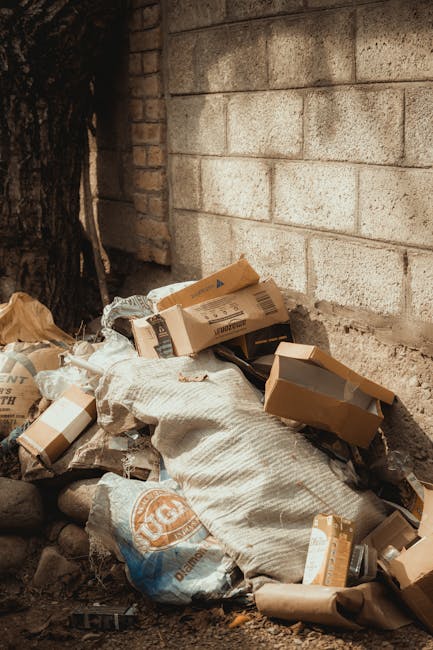
Avoid hidden rubbish removal charges in Uxbridge

If you are trying to avoid hidden rubbish removal charges in Uxbridge, you are probably already a bit wary of the usual traps: vague quotes, surprise stair fees, added labour costs, or a price that seems fine until the van is on your drive. Truth be told, that sinking feeling is exactly what this guide is here to stop.
In Uxbridge, rubbish removal can be straightforward when the price is clear and the service is properly explained. The trouble starts when a cheap headline rate hides the real cost. This article shows you how pricing should work, what to ask before you book, which red flags to watch for, and how to compare providers without getting lost in jargon. You will also find a practical checklist, a comparison table, and some local, real-world advice that makes the whole thing less stressful. Because nobody wants a cheerful quote that turns moody at the kerb.
Why avoiding hidden rubbish removal charges in Uxbridge matters
Hidden charges are not just annoying. They can turn a tidy, manageable clear-out into an unexpectedly expensive job. That matters whether you are clearing a flat near Uxbridge town centre, emptying a garage, or dealing with builders' waste after a small renovation.
The biggest issue is trust. If the quote is unclear, you do not really know what you are buying. A low starting price can look attractive, but it may not include labour, loading time, access difficulties, congestion, disposal fees, or the type of waste you have. By the time the team is standing there with the van doors open, the pressure is on. And let's face it, most people would rather pay a fair price than argue about one on the pavement.
It also matters because waste removal is one of those services where the real cost depends on details. A couple of black bags is one thing. A heavy sofa, broken wardrobe, old fridge, and damp plasterboard is another. If the business does not ask enough questions before quoting, the final bill can drift. Not always maliciously, but still inconvenient.
There is a practical local angle too. In areas like Uxbridge, where parking, access, and property layouts vary quite a bit, the difference between a simple ground-floor collection and a fourth-floor walk-up can be significant. A clear quote should reflect those realities from the start.
Expert takeaway: The safest rubbish removal price is usually not the cheapest one you see first. It is the one that clearly explains what is included, what could change the cost, and what happens if the job turns out to be bigger than expected.
How avoiding hidden rubbish removal charges in Uxbridge works
The basic idea is simple: get a price that matches the real job. In practice, that means understanding how rubbish removal companies usually build quotes and where extra costs tend to appear.
Most services use some combination of the following factors:
- Volume: how much rubbish there is, often measured by van load, cubic yards, or a similar system.
- Weight: heavy waste can cost more, especially if it includes soil, rubble, or mixed construction material.
- Labour: how long it takes to remove the items, especially if they are awkward, bulky, or up stairs.
- Access: parking distance, lifts, narrow hallways, or rear-garden access can affect the work involved.
- Waste type: some materials need separate handling, recycling, or specialist disposal.
- Timing: urgent, same-day, or out-of-hours work may cost more.
The key is to make sure the quote is based on the same information you will be asked to pay for later. If you send photos, mention access issues, and describe the waste clearly, the quote should be much more reliable.
In our experience, most unpleasant surprises happen when the customer says "just a few bits" and the team arrives to find a mini mountain of mixed household clutter. Not a disaster, just a mismatch. The best providers will clarify things early rather than pretend everything is fine and then adjust the price later. That little bit of honesty goes a long way.
If you are comparing services, it helps to look at the wider service offering too. For example, if you are clearing multiple rooms, options such as house clearance, flat clearance, or office clearance may be more suitable than a basic one-off pickup. Matching the service to the job is one of the easiest ways to avoid overpaying.
Key benefits and practical advantages
Being careful about rubbish removal pricing is not just about saving money, although that is usually part of it. It also makes the whole job easier to manage.
- Better budget control: you can plan the cost before the team arrives.
- Less stress: no awkward "actually, that's extra" conversation at the end.
- Faster decisions: clear prices make it easier to compare options quickly.
- Fewer disputes: you know what was agreed and what was included.
- More accurate service matching: the right type of clearance is easier to choose.
- Better trust: clear pricing usually goes hand in hand with better communication overall.
There is also a quality angle. Companies that explain pricing properly tend to explain the rest of the service properly too: where waste goes, how recycling is handled, whether items can be reused, and what happens with restricted materials. That is a good sign. Messy pricing often means messy service.
If you care about sustainability, a transparent company can also help you understand whether items will be reused, recycled, or disposed of responsibly. A lot of customers in Uxbridge are trying to clear space without creating unnecessary landfill waste, and that is a fair expectation. If that matters to you, look at services such as recycling and sustainability alongside the quote.
Who this is for and when it makes sense
This matters for almost anyone who is arranging a clearance, but some situations are especially vulnerable to hidden costs.
Homeowners and tenants often need fast, tidy removal for old furniture, loft clutter, end-of-tenancy leftovers, or post-renovation waste. If you are moving out, the last thing you want is a bill that lands after the keys are handed over.
Landlords and letting agents need predictable pricing because clearances often happen under time pressure. If a tenant leaves behind more than expected, costs can spiral unless the quote structure is clear from the start.
Local businesses in and around Uxbridge, including shops, offices, and small commercial units, usually need consistent pricing for regular or ad hoc disposal. A vague charge for "miscellaneous waste" is rarely helpful when you are trying to keep accounts tidy.
Builders and property professionals are another group to watch. Building waste is often heavier and trickier than household clutter. A quote that looks fine for light rubbish may not cover rubble, broken plasterboard, or mixed site waste. If your job is renovation-related, check options such as builders waste clearance rather than assuming a standard rubbish collection will do the same job.
People clearing bulky items also need to be careful. Sofas, wardrobes, mattresses, and white goods can all affect price, especially if the team has to carry them a long way. Services like mattress and sofa disposal or fridge and appliance removal can help set expectations more clearly.
If you are not sure whether your job is small, medium, or awkwardly large, that is a sign to ask more questions before booking. It is a bit dull, yes, but the dull questions are the ones that save you money.
Step-by-step guidance
Here is a simple process to help you avoid hidden rubbish removal charges in Uxbridge without turning it into a project of its own.
- List everything that needs removing. Be specific. "Old furniture" is less useful than "one three-seat sofa, one wardrobe, one broken desk, and three bags of mixed waste."
- Take clear photos. Include the items, the room, stairs, driveway, alleyway, or any awkward access points. A good photo can save a lot of confusion later.
- Describe the access honestly. Mention if parking is tight, if items are upstairs, or if there is no lift. It is better to sound slightly over-detailed than to be vague.
- Ask what the price includes. Labour, loading, travel, disposal fees, VAT if applicable, and recycling handling should all be clear.
- Ask about possible extras. Find out what changes the price. Heavy waste? Additional bags? Extra floors? Restricted items?
- Check whether the quote is fixed or estimated. A fixed quote is usually easier to budget for, but only if it is based on accurate information.
- Confirm what happens if the job changes. Sometimes you discover more junk than expected. That happens. A transparent provider should explain how they handle revisions.
- Keep the written quote. Email, text, or booking confirmation is useful if anything needs to be checked later.
A tiny tip, but a useful one: if you are clearing a whole property, group items by type before asking for a quote. Furniture in one area, bags in another, appliances separate. It helps everyone estimate more accurately, and you will notice the conversation becomes much calmer.
If you need something booked quickly, you can use a service like book online once you have enough detail to describe the job properly. Fast is good. Clear is better.
Expert tips for better results
These are the small things that often make the biggest difference.
1. Don't lead with price alone. A low price can be genuine, but if the quote is too brief, it may not be comparing the same thing. Compare what is included, not just the number.
2. Send photos from more than one angle. One photo of a pile of rubbish can hide a lot. A few images show scale, access, and item size far better.
3. Ask whether the team sorts and recycles on site. It is useful to know whether waste is mixed, separated, or handled in stages. That can affect both service quality and price transparency.
4. Check for minimum charges. Some services have a minimum load or call-out fee. That is not automatically bad, but it should be stated openly.
5. Ask how they handle hazardous or unusual materials. Paint, chemicals, sharps, batteries, gas bottles, and certain electrical items may need special treatment. For anything questionable, a service such as hazardous waste disposal is safer than guessing.
6. Be cautious with "from" prices. A phrase like "from GBPX" is fine as a starting point, but you need the conditions behind it. From where, exactly?
7. Confirm whether the team will move items from inside the property. Some quotes assume curbside collection only. That can be the source of a sneaky extra charge.
8. Look for plain English. If a company cannot explain its pricing clearly, the paperwork may not be much better. That sounds blunt, but it tends to be true.
And one more thing: if the job is emotionally draining, such as after a bereavement or a long period of clutter building up, ask for a slower, clearer quote process. There is no prize for rushing through a stressful clearance.
Common mistakes to avoid
People usually get caught out in the same few ways. Avoiding these can save time, money, and a bit of frustration.
- Not describing the waste properly. Mixed waste, building waste, furniture, and appliances are not all priced the same.
- Forgetting access details. Stairs, parking, long carries, and narrow entryways can matter more than people expect.
- Assuming "cheap" means "good value." Sometimes it does. Often it just means unfinished pricing.
- Ignoring disposal restrictions. Some materials need separate handling or may not be accepted at all.
- Not checking whether the quote is inclusive. Labour, VAT, disposal, and loading should not be mysteries.
- Leaving items mixed together. If you can separate furniture, appliances, and general junk, estimates tend to be more accurate.
- Booking without written confirmation. Verbal promises are easily misunderstood.
One of the biggest errors is rushing because the space is cluttered and you want it gone right now. Understandable, honestly. We have all been there, staring at a spare room or garage and thinking, "right, that has to go." But a 10-minute check at the start can save a lot of awkwardness later.
Tools, resources and recommendations
You do not need specialist software or complicated planning tools to avoid hidden rubbish removal charges. A few practical habits are enough.
- Phone camera: take wide shots and close-ups of the waste and access route.
- Simple inventory list: write down the number and type of items before requesting a quote.
- Measurement estimate: if useful, note rough dimensions for bulky items like wardrobes or desks.
- Folder for messages: keep the quote, booking confirmation, and any changes together.
- Access note: jot down parking restrictions, estate rules, or entry codes.
For service comparison, it can help to review the provider's wider information pages as well. Pricing details are often easier to understand when paired with operational pages such as pricing and quotes, insurance and safety, and health and safety policy. Those pages give you a better feel for how seriously a company handles risk and clarity.
If you are dealing with a specific type of item, use the relevant service page rather than a generic rubbish removal label. For example, furniture, appliances, garden waste, and loft clutter all have different handling needs. That bit of matching up matters more than people think.
Helpful related services on this site include garden clearance, garage clearance, loft clearance, and waste removal. Each can be more precise than a general "some rubbish needs going" request.
Law, compliance, standards, or best practice
This topic touches on waste handling, so a cautious approach is sensible. In the UK, waste should be managed responsibly, and customers should avoid handing waste to anyone who looks unprepared, unclear, or evasive. You do not need to become a legal expert, but you should expect basic professionalism.
As a practical rule, a reputable rubbish removal provider should be able to explain:
- what waste types they can and cannot take
- how they price the job
- how they handle disposal and recycling
- what happens if the load changes
- how they manage safety and access issues
Best practice also means being honest about items that may require specialist handling. Electricals, fridges, asbestos-related materials, chemicals, sharps, and some commercial waste streams are not normal throw-and-go jobs. If a company is vague about these, that is a warning sign.
It is also worth paying attention to terms and conditions, cancellation policies, and complaint handling. These things can feel dull when you just want the clutter gone, but they are part of a fair service. If something goes wrong, you will be glad the process was written down.
For businesses, compliance becomes even more important because waste handling affects operations, reputation, and staff safety. In those cases, services such as business waste removal and confidential shredding can be more appropriate than ad hoc disposal. Office clearances also often need a firmer plan, especially if documents, electronics, and furniture are all involved.
If you want to check a company's wider approach, look at pages like terms and conditions, complaints procedure, and payment and security. It is not glamorous reading, but it tells you a lot.
Options, methods, or comparison table
When people search for rubbish removal, they are often comparing a few different approaches. The right choice depends on the amount of waste, the access, and how quickly you need it gone.
| Option | Best for | Cost control | Risk of hidden charges | Notes |
|---|---|---|---|---|
| Fixed-quote rubbish removal | Clear jobs with good photos and a full description | Strong | Lower | Best when access and waste type are explained properly |
| Estimate-based collection | Jobs where the volume is less certain | Moderate | Moderate to higher | Useful, but only if the assumptions are stated clearly |
| DIY van hire and disposal run | People who can load, transport, and sort waste themselves | Potentially strong | Can still rise | Fuel, time, and disposal rules can catch people out |
| Skip hire | Larger projects with ongoing waste | Good for predictable loads | Can include permit or overfill issues | Useful for renovations, but not always the simplest for mixed household waste |
| Specialist item disposal | Appliances, furniture, or hazardous items | Good if item type is clear | Lower when specified properly | Better than forcing a special item into a general quote |
If you are unsure, a specialist service is often safer than trying to make a general rubbish collection fit a complicated job. For instance, bulky furniture can be better handled through furniture disposal or furniture clearance. That little bit of specificity can reduce pricing confusion straight away.
Case study or real-world example
Here is a realistic example based on the kind of job that often comes up in Uxbridge.
A tenant in a two-bedroom flat needs to clear a mix of items before moving out: a mattress, a small sofa, two broken shelves, a desk chair, several bags of clothes, and some loose general waste. The first instinct is to ask for a quick price over the phone. Fair enough. The problem is that the flat is on an upper floor and parking outside is limited for part of the day.
One provider gives a low headline price but asks for extra money on arrival because the items need to be carried further than expected. Another provider asks for photos, confirms the floor level, checks access, and explains that the price includes loading, disposal, and standard labour for the agreed items. The second quote may look slightly higher at first glance, but it is the one that actually holds up.
That is the whole game, really. Clear facts in, clear price out.
Now imagine the same job, but with a fridge added at the last minute. If the customer had not mentioned it, the price may change because appliance handling is not the same as moving soft furnishings. That is why accurate descriptions matter. Not perfect descriptions. Just honest ones.
For a household clear-out like this, a more targeted page such as home clearance can also help set expectations better than a broad "rubbish removal" request. It is often the small wording choices that prevent the awkward surprises.
Practical checklist
Use this checklist before you book. Simple stuff, but it works.
- Describe every item clearly, including bulky or heavy pieces.
- Take photos from several angles.
- State whether the waste is household, garden, office, or builders' material.
- Explain access: stairs, lifts, parking, gates, or long carries.
- Ask what the quote includes: labour, loading, disposal, and VAT if applicable.
- Check for extra charges linked to weight, floor level, or special handling.
- Confirm whether the price is fixed or subject to inspection on arrival.
- Ask how hazardous or restricted items are handled.
- Get the quote in writing.
- Keep your booking confirmation until the job is complete.
Quick sanity check: if the quote feels vague after all that, it probably is.
Get a free quote today and see how much you can save.
Conclusion
To avoid hidden rubbish removal charges in Uxbridge, the answer is usually not to hunt for the lowest number on the page. It is to ask better questions, share better information, and choose a provider that is upfront about what the job really involves.
When pricing is clear, everything becomes easier: planning, budgeting, comparison, and the actual clearance itself. You know where you stand, and the whole thing feels less like a gamble. That alone is worth a lot.
If you are clearing a single bulky item, a full flat, or a mixed commercial load, the same rule applies. Be specific, get it in writing, and do not be rushed into a price you do not fully understand. A few careful minutes now can save you a lot of faff later.
And once the clutter is gone, there is a lovely quiet that comes with the space. You notice it in the room, in the light, even in the way you breathe a bit easier. That part never gets old.
Frequently Asked Questions
What are the most common hidden rubbish removal charges in Uxbridge?
The most common hidden charges usually relate to labour, stairs, access, parking distance, heavy items, mixed waste, or special disposal requirements. A quote that looks cheap at first may not include all of these.
How do I know if a rubbish removal quote is fair?
A fair quote should clearly explain what is included, what could change the price, and whether the amount is fixed or estimated. If the provider asks sensible questions and gives a written breakdown, that is a good sign.
Should I send photos before getting a quote?
Yes, absolutely. Photos help the provider judge volume, item type, and access conditions. A few clear images are often enough to make the quote much more accurate.
Can rubbish removal companies charge extra for stairs?
They can, depending on how the job is priced and how difficult the access is. Stairs are a common reason for price changes, especially with bulky or heavy items.
Is the cheapest rubbish removal service the best value?
Not always. The cheapest headline price can miss important details, which makes the final bill higher than expected. Best value usually comes from clear pricing and reliable service, not just a low first number.
What should be included in a rubbish removal quote?
A good quote should ideally cover labour, loading, transport, disposal, and any normal assumptions about access and waste type. If any of those are missing, ask for clarification before you book.
How can I avoid surprise costs on the day?
Be specific about the items, share photos, explain access problems, and ask which factors could change the price. Written confirmation also helps if there is any disagreement later.
Do bulky items cost more to remove?
Often, yes. Sofas, wardrobes, appliances, and mattresses may need more handling or special disposal. That does not mean they are always expensive, but they should be quoted for properly.
What if I have more waste than I originally said?
Tell the provider as soon as you can. A transparent company should explain how extra waste affects the price before the job starts, rather than after the fact.
Do I need a specialist service for builders waste?
Usually, yes. Builders' waste is heavier and may include materials that need separate handling. A service like builders waste clearance is often more appropriate than a general household pickup.
Are hazardous items more expensive to remove?
They can be, because they need special handling and cannot always be mixed with normal rubbish. Always mention anything potentially hazardous early, even if you are unsure whether it counts.
What is the safest way to compare rubbish removal providers in Uxbridge?
Compare what is included, how the quote is formed, how the company handles access and waste type, and whether the terms are written down clearly. The safest comparison is not just price, but price plus clarity plus trust.